
With residential exterior painting at the forefront, this guide delves into the importance of maintaining your home's exterior, exploring different types of paint finishes, preparing for the painting process, and choosing the perfect colors to elevate your property's appeal.
From protecting your home from weather elements to enhancing curb appeal, residential exterior painting plays a crucial role in maintaining and increasing the value of your property. Let's dive into the details of this transformative process.
Importance of Residential Exterior Painting
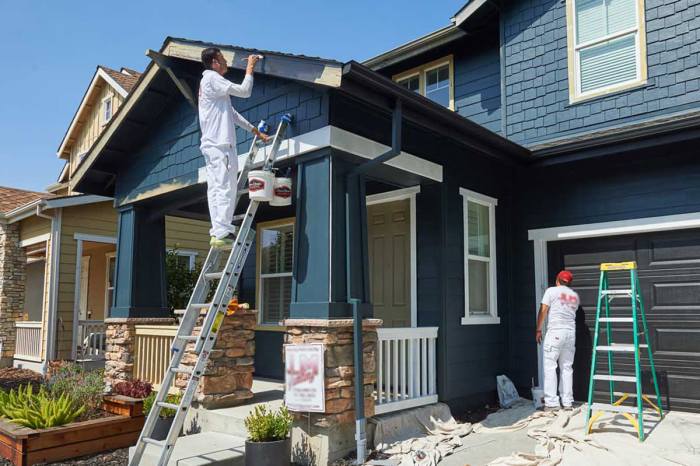
Ensuring the exterior paint of a residential property is well-maintained is crucial for several reasons.
Residential exterior painting plays a significant role in enhancing the curb appeal of a property. A fresh coat of paint can instantly transform the look of a house, making it more visually appealing and inviting. This can be especially important for homeowners looking to sell their property, as first impressions are key in attracting potential buyers.
Enhanced Property Value
One of the key benefits of residential exterior painting is the positive impact it can have on the property value. A well-maintained exterior with a fresh coat of paint can increase the overall value of the home. This is not only beneficial for current homeowners looking to sell, but also for those looking to invest in their property for the long term.
Protection from Weather Elements
Another important aspect of residential exterior painting is the protection it provides against weather elements. The paint acts as a barrier, shielding the exterior surfaces from moisture, UV rays, and other environmental factors that can cause damage over time. By maintaining the paint, homeowners can prevent issues such as rot, mold, and deterioration of the building materials.
Types of Paint Finishes for Residential Exterior
When it comes to painting the exterior of a residential property, choosing the right paint finish is crucial in achieving the desired aesthetic appeal and protection. Different types of paint finishes offer varying levels of durability, sheen, and maintenance requirements.
Let's explore the characteristics of flat, satin, semi-gloss, and high-gloss finishes and when to use each based on the exterior surface material.
Flat Finish
A flat finish is non-reflective and has a matte appearance, making it ideal for concealing surface imperfections. It is commonly used on siding and stucco surfaces. However, flat finishes are less durable and prone to staining, so they may not be suitable for high-traffic areas or surfaces exposed to harsh weather conditions.
Satin Finish
Satin finishes have a subtle sheen that falls between flat and gloss, offering a smooth and velvety appearance. This finish is versatile and works well on various exterior surfaces such as wood, metal, and trim. Satin finishes are durable, easy to clean, and resistant to moisture, making them suitable for areas that require regular maintenance.
Semi-Gloss Finish
Semi-gloss finishes have a noticeable sheen and provide a sleek, reflective surface. They are highly durable, resistant to moisture, and easy to clean, making them ideal for doors, windows, and trim. Semi-gloss finishes are also suitable for areas prone to wear and tear, as they offer better protection against scratches and stains.
High-Gloss Finish
High-gloss finishes have a shiny, reflective surface that creates a polished and elegant look. They are extremely durable, moisture-resistant, and easy to clean, making them perfect for doors, shutters, and accents. High-gloss finishes are less forgiving of surface imperfections, so they are best used on smooth surfaces like metal and fiberglass.
Steps Involved in Preparing for Residential Exterior Painting
Before embarking on a residential exterior painting project, it is essential to prepare the surface properly to ensure a successful and long-lasting paint job. Adequate preparation can help in achieving a smooth finish and prevent issues such as peeling or flaking paint in the future.
Necessary Preparation Steps:
- Clean the Surface: Begin by thoroughly cleaning the exterior surface to remove dirt, dust, mildew, and any other contaminants. This can be done using a pressure washer or a mixture of water and detergent.
- Make Repairs: Inspect the surface for any cracks, holes, or damaged areas. Repair these imperfections using suitable fillers or patching compounds. Ensuring a smooth and even surface is crucial for a professional-looking paint job.
- Priming: Apply a primer to the surface after repairs have been made. Primer helps the paint adhere better to the surface, provides a uniform base, and can also help in preventing stains or discoloration from bleeding through the paint.
- Masking Off Areas: Use painter's tape to mask off areas such as windows, doors, trim, and other surfaces that you want to protect from paint splatter. This step helps in achieving clean and precise lines.
Tip: Allow sufficient time for each preparation step to ensure that the surface is adequately prepped before starting the actual painting process.
Choosing the Right Colors for Residential Exterior Painting
When it comes to residential exterior painting, choosing the right colors is crucial for enhancing curb appeal and overall aesthetics. The colors you select can significantly impact the look and feel of your home, so it's important to consider various factors before making a decision.Factors to Consider:
Natural Light
Take into account how natural light will affect the colors you choose. Colors can appear different depending on the amount of sunlight your property receives throughout the day.
Architectural Style
Consider the architectural style of your home when selecting colors. Certain color schemes may complement traditional or modern architectural designs better.
Neighborhood Aesthetics
It's also essential to consider the overall aesthetics of your neighborhood. While you want your home to stand out, you also want it to harmonize with the surrounding properties.Popular Color Schemes:
Classic White
White is a timeless and versatile color choice for residential exteriors. It can create a clean and elegant look, suitable for various architectural styles.
Neutral Tones
Neutral colors like beige, gray, or taupe are popular choices for a subtle and sophisticated exterior. These colors can blend well with different surroundings and landscaping.
Bold Accents
Adding a pop of color with bold accents like navy blue, forest green, or deep red can make a statement and add character to your home's exterior.Remember, the colors you choose for your residential exterior painting project should reflect your personal style while also considering the factors mentioned above for a cohesive and visually appealing result.
Last Recap
As we conclude our exploration of residential exterior painting, remember that a fresh coat of paint can breathe new life into your home, boost its curb appeal, and protect it from the elements. Whether you're considering a color change or simply refreshing the existing paint, the possibilities are endless when it comes to transforming your residential exterior.
Questions and Answers
What are the benefits of maintaining the exterior paint of a residential property?
Regular maintenance helps protect the property from weather damage, increases curb appeal, and enhances property value.
How do different paint finishes affect the look of a residential exterior?
Each finish has its own characteristics - flat for a matte look, satin for a subtle sheen, semi-gloss for durability, and high-gloss for a shiny appearance.
What are the key steps involved in preparing for residential exterior painting?
Preparation steps include surface cleaning, repairs, priming, and masking off areas to ensure a smooth and long-lasting paint job.
How can natural light and architectural style influence color choices for a residential exterior?
Natural light can affect how colors appear, and the architectural style of the property should complement the chosen color scheme.
What are some popular color schemes for different types of residential properties?
Neutral tones like greys and beiges are versatile choices, while bold colors can make a statement depending on the property's style.