

When it comes to enhancing your home's exterior, selecting the right siding is crucial. From durability to aesthetics, each aspect plays a significant role in the overall appeal of your property. Let's delve into the world of new home siding and explore the various options available to help you make an informed decision.
As we navigate through the different types of siding materials, considerations for choosing the best fit, the installation process, and maintenance tips, you'll gain valuable insights that will guide you towards achieving the perfect look for your home.
Types of New Home Siding
When it comes to choosing the right siding for your new home, there are several options available, each with its own unique characteristics and benefits.
Vinyl Siding
Vinyl siding is a popular choice for homeowners due to its affordability and low maintenance requirements. It is durable, resistant to rot and insect damage, and comes in a wide range of colors, including classic neutrals like white and beige, as well as bolder options like blue and red.
Wood Siding
Wood siding offers a natural and timeless look that can enhance the aesthetic appeal of a home. While it requires more maintenance than vinyl, with regular painting or staining to prevent rot and decay, many homeowners appreciate the warmth and character that wood siding adds to a property.
Popular color options include natural cedar tones, as well as darker stains for a rustic feel.
Fiber Cement Siding
Fiber cement siding is known for its durability and resistance to fire, moisture, and pests. It can mimic the look of wood or stucco without the maintenance issues, making it a popular choice for many homeowners. Color options for fiber cement siding range from earthy tones to modern greys and blues, providing versatility in design.
Metal Siding
Metal siding is a durable and low-maintenance option that can provide a sleek and modern look to a home. While it may be more expensive upfront, metal siding is long-lasting and resistant to weather damage. Popular color choices for metal siding include metallic finishes like silver and bronze, as well as bold colors like black and green.
Considerations for Choosing New Home Siding
When it comes to selecting new home siding, there are several important factors to consider to ensure the best choice for your specific needs and preferences.
Impact of Climate and Location
The climate and location of your home play a crucial role in determining the most suitable siding materials. For example, homes in areas with high humidity or frequent rainfall may require siding with excellent water resistance to prevent moisture-related issues like mold or rot.
Insulation Properties and Energy Efficiency
Consider the insulation properties of different siding materials to help regulate indoor temperature and reduce energy costs. Siding with high energy efficiency can contribute to a more comfortable living environment and lower utility bills.
Curb Appeal and Resale Value
The choice of siding can significantly impact the overall curb appeal and resale value of your home. Opting for high-quality, visually appealing siding materials can enhance the exterior aesthetics and attract potential buyers if you decide to sell your home in the future.
Matching Siding with Architectural Style
To achieve a cohesive and harmonious look, it's essential to match siding materials with your home's architectural style and design preferences. Consider the color, texture, and style of the siding to complement the existing elements of your home's exterior.
Installation Process for New Home Siding
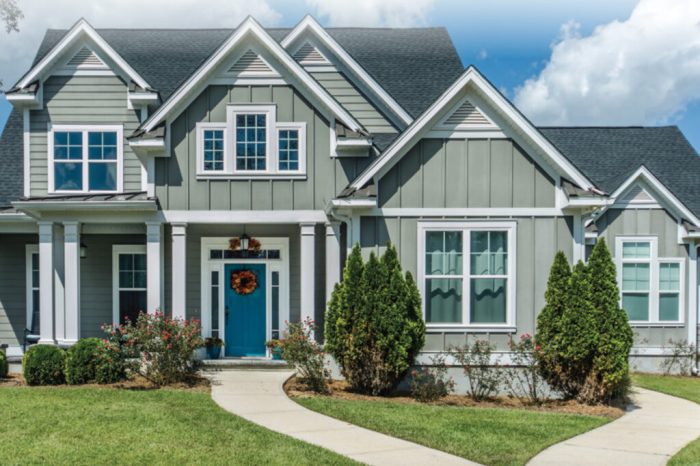
When it comes to installing new siding on a home, there are several key steps to follow to ensure a successful outcome. From preparation to finishing touches, each stage plays a crucial role in the overall process.
Typical Steps in Siding Installation
- Preparation of the exterior surface, including cleaning and removing old siding if necessary.
- Measuring and cutting the new siding materials to fit the specific dimensions of the home.
- Installation of the siding panels or pieces, starting from the bottom and working upwards.
- Securing the siding in place with nails or other appropriate fasteners.
- Adding trim pieces and corner caps to provide a finished look and seal any gaps.
- Applying caulking or sealant to further protect against moisture and drafts.
Tools and Equipment Required
- Siding materials (vinyl, wood, fiber cement, etc.)
- Tape measure and level
- Saw (circular saw, miter saw, or siding cutter)
- Hammer or nail gun
- Siding nails or screws
- Caulking gun
- Safety gear (gloves, goggles, dust mask)
Common Challenges for Homeowners
- Dealing with uneven surfaces or structural issues that may require repairs before installation.
- Ensuring proper alignment and spacing of siding panels for a professional finish.
- Weather conditions affecting the installation process, such as wind or rain.
- Matching existing siding with new materials for a cohesive look.
Safety Guidelines and Best Practices
- Always wear appropriate safety gear, including gloves and eye protection.
- Use caution when working at heights and on ladders.
- Follow manufacturer instructions for proper installation techniques.
- Avoid working alone and have someone available to assist if needed.
Maintenance and Care Tips for New Home Siding
Regular maintenance is crucial to ensure the longevity and beauty of your new home siding. By following these care tips, you can protect your siding from damage and maintain its appearance for years to come.
Inspecting Siding for Damage
Regularly inspect your siding for any signs of damage such as cracks, chips, or warping. Look out for areas where the paint is peeling or where moisture may be seeping in. Immediate repairs are necessary to prevent further deterioration.
Cleaning and Protecting from Mold and Mildew
To clean your siding and protect it from mold and mildew, use a mixture of water and mild detergent. Scrub gently with a soft brush or cloth and rinse thoroughly. For stubborn mold or mildew, use a solution of water and white vinegar.
Ensure proper ventilation to prevent moisture buildup.
Painting or Refinishing Siding
If your siding is painted, consider repainting every 5-10 years to maintain its appearance and protect it from the elements. Before painting, make sure to clean the surface thoroughly and apply a primer if needed. Choose high-quality paint for long-lasting results.
Prolonging Lifespan of Siding Materials
Different siding materials require specific care routines. For example:
Vinyl siding
Clean with a mixture of water and mild soap, and avoid using abrasive cleaners to prevent scratching.
Wood siding
Regularly stain or seal to protect against moisture and UV rays.
Fiber cement siding
Check for any chipping or cracking, and repaint as needed to maintain its integrity.
Knowing When Repairs or Replacements are Necessary
If you notice extensive damage to your siding that cannot be repaired, it may be time for a replacement. Signs include rotting, severe warping, or multiple cracks. Consult with a professional to assess the extent of the damage and determine the best course of action.
Closing Summary
In conclusion, the choice of new home siding is not merely about protection but also about enhancing the beauty and value of your property. By understanding the factors discussed, you can embark on this journey with confidence, knowing that your home will stand out for all the right reasons.
FAQ Section
What are the most popular types of new home siding materials?
The most popular siding materials for new homes include vinyl, wood, fiber cement, and metal. Each material offers unique benefits and considerations based on durability, maintenance, and cost.
How do I choose the right siding material based on my climate?
Consider the weather conditions in your area when choosing siding materials. For example, in humid climates, materials with high moisture resistance like fiber cement may be more suitable.
What are some common challenges homeowners face during the siding installation process?
Common challenges include improper measurements, alignment issues, and ensuring proper insulation. It's crucial to follow manufacturer guidelines and seek professional help if needed.
How often should I inspect my siding for damage?
Regularly inspect your siding for any signs of damage such as cracks, warping, or discoloration. Immediate repairs can prevent further issues and prolong the lifespan of your siding.
Is painting or refinishing siding necessary for maintenance?
Painting or refinishing siding can help maintain its appearance and protect it from elements. Follow manufacturer recommendations and choose high-quality paint for best results.