
As interior painting design takes center stage, this opening passage beckons readers into a world crafted with good knowledge, ensuring a reading experience that is both absorbing and distinctly original. From selecting the perfect color palette to mastering painting techniques, this guide will transform your living spaces into works of art.
Are you ready to elevate your home decor with a fresh coat of paint? Let's dive into the intricate world of interior painting design.
Understanding Interior Painting Design
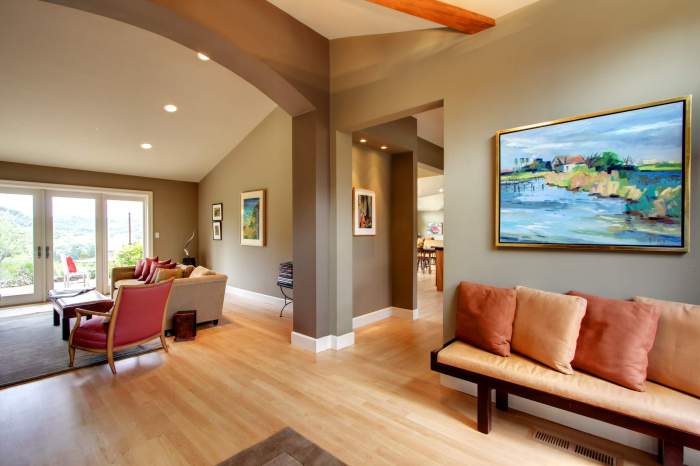
When it comes to interior painting design, color selection plays a crucial role in setting the mood and style of a room. The right choice of colors can enhance the overall aesthetics and create the desired atmosphere.
The Importance of Color Selection
- Choose light colors to make a room feel more spacious and airy.
- Dark colors can add coziness and warmth to a large room.
- Consider the room's function when selecting colors - calming blues for bedrooms, energizing yellows for kitchens, etc.
Choosing the Right Paint Finish
- Flat or matte finishes hide imperfections but are less durable and harder to clean.
- Satin finishes offer a subtle sheen and are easier to clean, making them ideal for high-traffic areas like hallways and bathrooms.
- Semi-gloss and gloss finishes are highly durable and perfect for trim, doors, and cabinets.
Impact of Natural Light
Natural light can significantly affect the way paint colors appear in a room. It's essential to consider the direction of light and the intensity of sunlight when choosing paint colors.
Preparing for Interior Painting
When getting ready to paint a room, proper preparation is key to achieving a professional finish. Follow these steps to ensure your interior painting project goes smoothly.
Significance of Primer
Primer is essential for interior painting as it helps the paint adhere better to the surface, provides a uniform base for the paint color, and can even hide imperfections. Here's how to apply primer before painting:
- Clean the surface: Make sure the walls are clean and free of dust and dirt before applying primer.
- Fill in any holes or cracks: Use spackling paste to fill in any imperfections in the wall and sand it smooth once dry.
- Apply primer: Using a roller or brush, apply a coat of primer to the walls and let it dry completely before painting.
Proper Taping and Surface Protection
Before you start painting, it's important to properly tape and protect surfaces to avoid accidentally painting areas you don't want to. Here are some techniques to ensure clean lines and protect surfaces:
- Use painter's tape: Apply painter's tape along the edges of trim, ceilings, and any other areas you want to protect from paint.
- Cover floors and furniture: Use drop cloths to protect floors and furniture from paint drips and spills.
- Remove outlet covers: Take off outlet covers and light switch plates before painting to avoid getting paint on them.
Interior Painting Techniques
When it comes to interior painting, there are various techniques that can be used to achieve professional results. Understanding the differences between brush, roller, and spray painting techniques is essential for a successful painting project.
Brush Painting Technique
- Brush painting is a traditional method that allows for precise control and detail work.
- It is ideal for painting trim, corners, and tight spaces that may be difficult to reach with a roller.
- When using a brush, it is important to choose the right type and size for the specific surface being painted.
Roller Painting Technique
- Roller painting is a popular choice for covering large areas quickly and efficiently.
- It provides a smooth and even finish, making it perfect for walls and ceilings.
- Using a roller with the correct nap length is crucial to achieving the desired texture and coverage.
Spray Painting Technique
- Spray painting is a fast and effective method that can produce a flawless finish when done correctly.
- It is commonly used for cabinets, furniture, and intricate surfaces that require a fine coat of paint.
- Proper preparation and ventilation are essential when using a spray gun to ensure safety and optimal results.
Tips for Achieving Clean Lines and Edges
When painting, achieving clean lines and edges can make a significant difference in the overall appearance of a room. Here are some tips to help you achieve crisp and professional results:
- Use painter's tape to mask off areas that you want to keep paint-free.
- Apply a small amount of paintable caulk along the edge of the tape to prevent bleeding.
- Paint in a steady and controlled manner, avoiding heavy buildup of paint along edges.
- Remove the painter's tape while the paint is still slightly wet to prevent peeling.
The Importance of Proper Ventilation
Proper ventilation is crucial during the interior painting process to ensure the safety of both the painter and the occupants of the space. Here are some reasons why ventilation is essential:
- Good ventilation helps to reduce the fumes and odors associated with paint, creating a more comfortable environment.
- It allows freshly painted surfaces to dry properly and prevents the accumulation of moisture, which can lead to mold and mildew growth.
- Proper ventilation also helps to improve air quality and reduce the risk of respiratory issues caused by inhaling paint fumes.
Trending Interior Painting Design Ideas
When it comes to interior painting, staying on top of the latest trends can help you create a modern and stylish living space. Let's explore some popular interior painting design ideas that are currently trending.
Popular Color Trends
Choosing the right color palette is crucial for setting the tone of your space. Here are some popular color trends for interior painting in the current year:
- Soft Neutrals: Shades like beige, gray, and off-white are timeless choices that can create a calming and sophisticated atmosphere.
- Bold and Vibrant Hues: Colors like deep blues, emerald greens, and rich burgundies are making a statement in modern interiors, adding a pop of color and personality.
- Earthy Tones: Warm terracottas, sandy browns, and muted yellows are gaining popularity for their grounding and organic feel.
Innovative Painting Techniques
Take your interior painting to the next level with innovative techniques that add depth and visual interest to your walls:
- Ombre Walls: Create a stunning gradient effect by blending two or more colors seamlessly from light to dark or vice versa.
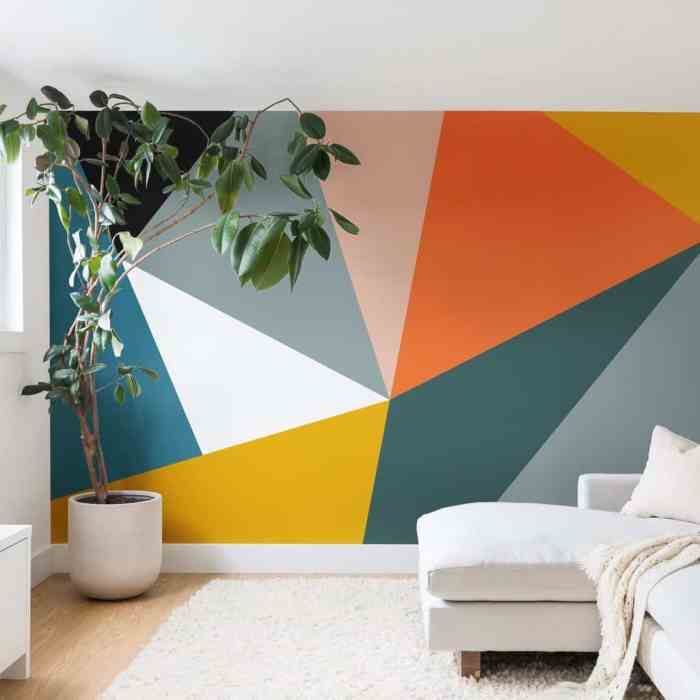
- Geometric Patterns: Add a modern touch to your space with geometric shapes like triangles, hexagons, or stripes painted in contrasting colors.
- Metallic Accents: Incorporate metallic paints or foils to add a touch of glamour and sophistication to your walls.
Accent Walls and Murals
Accent walls and murals can be powerful design elements that make a bold statement in any room. Here are some tips for incorporating them into your interior painting design:
- Choose a focal wall: Select a wall that you want to highlight with a different color or pattern to create visual interest.
- Opt for a mural: Consider adding a mural to one of your walls to make a unique and artistic statement in your space.
- Blend with the rest of the room: Make sure your accent wall or mural complements the overall color scheme and style of the room for a cohesive look.
Conclusion
From color selection to innovative painting techniques, this guide has equipped you with the knowledge to revamp your living spaces. Embrace your creativity and transform your home with the power of interior painting design.
Quick FAQs
How important is color selection in interior painting design?
Color selection plays a crucial role in setting the tone and ambiance of a room. It can affect the perceived size, mood, and overall feel of the space.
What are some popular interior painting trends for the current year?
Popular trends include earthy tones, bold accent walls, and creative patterns like ombre walls or geometric designs.
Why is proper ventilation important during the painting process?
Proper ventilation helps to dissipate fumes from paint, ensuring a healthier environment for both the painters and the occupants of the space.