

As home stylist takes center stage, this opening passage beckons readers into a world crafted with good knowledge, ensuring a reading experience that is both absorbing and distinctly original.
Home styling is more than just arranging furniture - it's about creating a harmonious blend of aesthetics and functionality that transforms living spaces into personalized sanctuaries.
What is a Home Stylist?
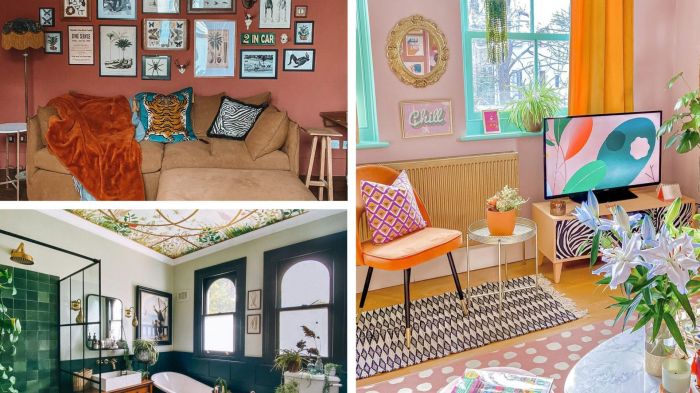
A home stylist is a professional who specializes in creating visually appealing and functional living spaces for clients. They have a keen eye for design and decor, and they work to transform ordinary homes into beautiful and inviting spaces.
Role and Responsibilities of a Home Stylist
- Assessing the client's needs and preferences to create a personalized design plan.
- Selecting furniture, decor, and accessories to enhance the overall aesthetic of the space.
- Arranging furniture and decor in a way that maximizes space and flow.
- Providing recommendations for color schemes, lighting, and other design elements.
Examples of Home Stylist Transformations
Home stylists can completely revamp a room by simply rearranging furniture, adding new decor pieces, and incorporating color schemes that complement each other. They have the ability to turn a dull and cluttered space into a cozy and stylish retreat.
Importance of Aesthetics and Functionality in Home Styling
- Aesthetics play a crucial role in creating a visually pleasing environment that promotes relaxation and well-being.
- Functionality ensures that the space is not only beautiful but also practical and efficient for daily use.
- Balancing aesthetics and functionality is key to achieving a harmonious living space that meets the needs and preferences of the homeowner.
Skills and Qualifications
To become a successful home stylist, certain key skills and qualifications are essential. These include a combination of creativity, attention to detail, communication skills, and a good eye for design.
Key Skills Required
- Creativity: Being able to think outside the box and come up with unique design ideas is crucial for a home stylist.
- Attention to Detail: The ability to focus on the small details that can make a big difference in the overall look and feel of a space.
- Communication Skills: Interacting with clients, understanding their needs, and effectively conveying design concepts are important aspects of the job.
- Design Sense: Having a natural flair for design and a good eye for color, texture, and spatial arrangements is vital.
Educational Background and Certifications
- Interior Design Degree: A formal education in interior design or a related field can provide a solid foundation for a career as a home stylist.
- Certifications: Obtaining certifications in home staging or interior decorating can enhance your credibility and marketability in the industry.
- Continuing Education: Keeping up with the latest trends and techniques through workshops, seminars, and online courses can also be beneficial.
Tips for Improving Styling Skills
- Practice: The more you practice designing and styling different spaces, the better you will become at it.
- Study Design Principles: Understanding basic design principles such as balance, harmony, and proportion can help you create cohesive and visually appealing spaces.
- Get Feedback: Seek feedback from clients, colleagues, or mentors to continuously improve and refine your styling skills.
Trends in Home Styling
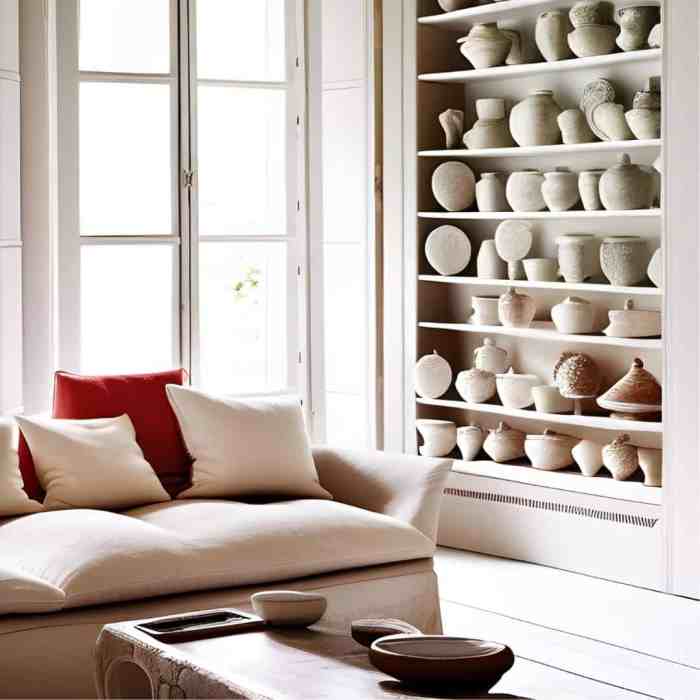
Home styling trends are constantly evolving, shaping the way people decorate and design their living spaces. These trends influence design choices and reflect the current preferences of homeowners.
Role of Sustainability and Eco-Friendly Practices
Today, sustainability and eco-friendly practices play a significant role in modern home styling. More homeowners are opting for sustainable materials, energy-efficient appliances, and eco-conscious design elements. This trend not only helps reduce the environmental impact but also creates healthier living spaces
Popular Color Schemes and Decor Styles
- Minimalist Design: Clean lines, neutral colors, and clutter-free spaces are key elements of minimalist design. This style focuses on simplicity and functionality.
- Scandinavian Style: Inspired by the Nordic countries, Scandinavian design emphasizes light, natural elements, and cozy textures. This style often incorporates white walls, wood accents, and simple yet elegant furniture.
- Bohemian Chic: Bohemian decor embraces a free-spirited and eclectic approach, combining patterns, textures, and colors from around the world. This style is characterized by layered textiles, vintage finds, and a relaxed vibe.
Working with Clients
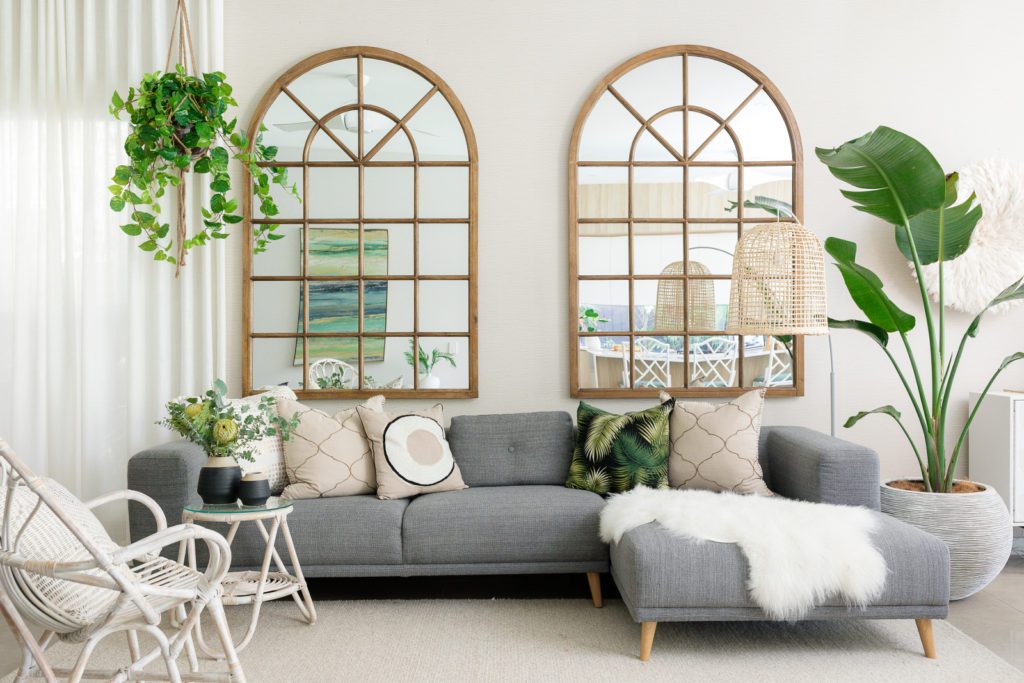
When working with clients as a home stylist, it is crucial to understand their preferences and requirements to create personalized and functional spaces that meet their needs effectively.
Steps to Understand a Client’s Preferences and Requirements
- Start by conducting a thorough consultation to gather information about the client's lifestyle, taste, and budget.
- Ask open-ended questions to understand their likes, dislikes, and vision for their home.
- Review inspiration images or mood boards provided by the client to grasp their style aesthetic.
- Visit the client's home to assess the space, existing furniture, and layout to better understand the possibilities for styling.
Tips on Effective Communication and Collaboration with Clients
- Listen actively to the client's feedback and concerns to ensure their needs are being met throughout the styling process.
- Communicate clearly and transparently about design choices, timelines, and budget considerations to maintain a good working relationship.
- Be open to feedback and willing to make adjustments to the design plan based on the client's preferences.
- Provide regular updates on the progress of the styling project to keep the client informed and involved in the decision-making process.
The Importance of Creating Personalized and Functional Spaces Based on Client Needs
- By tailoring the design to the client's preferences, you can create a space that reflects their personality and lifestyle, making it truly their own.
- Designing functional spaces that cater to the client's specific needs ensures that the home is not only aesthetically pleasing but also practical and efficient.
- Personalized and functional spaces contribute to the overall well-being and satisfaction of the client, enhancing their quality of life within their home environment.
Last Word
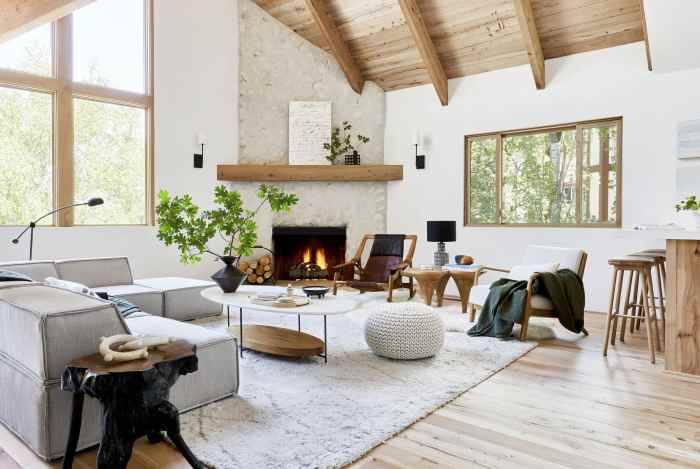
In conclusion, home stylist plays a vital role in curating spaces that reflect individual tastes and needs. By staying updated on trends and mastering the art of communication, a home stylist can truly work magic in any living space.
Questions and Answers
What is the main role of a home stylist?
A home stylist is responsible for transforming living spaces by combining aesthetics and functionality to create visually appealing environments.
What skills are essential for a successful home stylist?
Key skills for a home stylist include an eye for design, creativity, strong communication, and the ability to understand client preferences.
How can one improve their home styling skills?
Practice, continuous learning, and staying updated on design trends are essential for improving home styling skills over time.
Why is it important to create personalized spaces for clients?
Creating personalized spaces based on client needs ensures that the living environment is not only visually appealing but also functional and tailored to individual preferences.