
Exploring the world of home siding opens up a realm of possibilities for homeowners looking to enhance the exterior of their houses. From durable vinyl to classic wood siding, each material brings its own unique charm and benefits to the table.
Let's dive into the various types, factors to consider, installation processes, and maintenance tips for home siding to help you make the best choice for your home.
Types of Home Siding
When it comes to home siding, there are several materials to choose from, each with its own set of benefits and drawbacks. Understanding the differences between these siding options can help homeowners make an informed decision based on their specific needs and preferences.
Vinyl Siding vs. Wood Siding
Vinyl siding is a popular choice for many homeowners due to its affordability, low maintenance requirements, and durability. It is resistant to rot, insect damage, and moisture, making it a long-lasting option for those looking for a cost-effective solution. On the other hand, wood siding provides a classic, natural look that can enhance the aesthetic appeal of a home.
However, wood siding requires more maintenance, including regular painting or staining to protect it from the elements. While both vinyl and wood siding have their advantages, vinyl siding tends to be more durable and requires less maintenance over time compared to wood siding.
Fiber Cement Siding vs. Aluminum Siding
Fiber cement siding is a strong and durable option that offers excellent protection against fire, pests, and extreme weather conditions. It is also resistant to rot, moisture, and UV rays, making it a low-maintenance choice for homeowners. In contrast, aluminum siding is lightweight, easy to install, and resistant to rust.
However, aluminum siding is prone to dents and scratches, which can impact its appearance over time. Fiber cement siding provides better longevity and durability compared to aluminum siding, making it a more reliable choice for homeowners looking for a siding material that can withstand various environmental challenges.
Factors to Consider When Choosing Home Siding
When selecting home siding, several key factors should be taken into consideration to ensure the best choice for your specific needs. Factors such as cost, maintenance requirements, aesthetics, climate considerations, and energy efficiency play a crucial role in determining the most suitable siding material for your home.
Cost
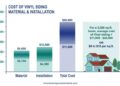
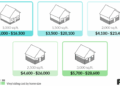
The cost of the siding material and installation should be carefully evaluated to fit within your budget. Factors such as the initial cost, long-term maintenance expenses, and potential repair costs should all be considered when choosing the right siding for your home.
Maintenance
Different siding materials require varying levels of maintenance to keep them looking their best. Consider how much time and effort you are willing to invest in maintaining your siding, as some materials may require regular painting, cleaning, or repairs to ensure longevity.
Aesthetics
The visual appeal of your home siding is an important factor to consider, as it can significantly impact the overall look of your home. Choose a siding material that complements the architectural style of your home and enhances its curb appeal.
Climate Considerations
The climate in your area plays a significant role in determining the best siding material for your home. Consider factors such as temperature fluctuations, humidity levels, precipitation, and exposure to harsh weather elements when selecting siding that can withstand the local climate conditions.
Energy Efficiency
Energy-efficient siding can help reduce heating and cooling costs by improving insulation and minimizing air leakage. Look for siding materials that offer high thermal resistance and energy-saving features to increase the overall energy efficiency of your home.
Installation Process for Home Siding
When it comes to installing home siding, there are several steps involved in preparing the exterior for the installation process. Once the exterior is ready, the siding panels or planks can be installed to enhance the look and functionality of the home.
However, there are common challenges that homeowners may face during the siding installation process.
Preparing the Exterior for Siding Installation
Before installing siding panels or planks, it is crucial to prepare the exterior of the home properly. This involves:
- Cleaning the exterior surface to remove any dirt, debris, or old paint.
- Repairing any damaged areas, such as rot or mold, to ensure a smooth surface for the siding.
- Applying a moisture barrier to protect the home from water damage.
- Measuring and cutting the siding panels or planks to fit the dimensions of the home.
Installing Siding Panels or Planks
Once the exterior is prepared, the siding panels or planks can be installed following these steps:
- Start at the bottom of the wall and work your way up, ensuring each panel is level and properly aligned.
- Secure the panels or planks to the wall using nails or screws, following the manufacturer's guidelines.
- Overlap each panel slightly to provide proper protection from the elements.
- Finish off the installation with trim pieces around windows, doors, and corners for a clean and polished look.
Common Challenges During Siding Installation
During the siding installation process, homeowners may face common challenges such as:
- Warped or damaged siding panels that need to be replaced.
- Uneven surfaces that require additional preparation before installation.
- Weather conditions that may delay the installation process.
- Finding the right color or style of siding to complement the home's exterior.
Maintenance Tips for Home Siding
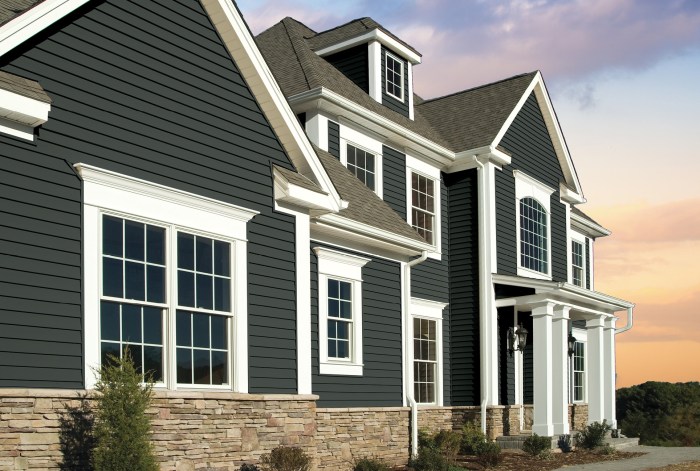
Regular maintenance is essential to keep your home siding looking great and functioning properly. Here are some tips to help you take care of different types of siding materials and address common issues that may arise.
Cleaning and Upkeep
- Regularly clean your siding with a mixture of mild soap and water to remove dirt, grime, and other debris.
- Consider using a pressure washer for tougher stains, but be cautious not to damage the siding with too much pressure.
- Inspect your siding at least once a year for signs of damage or wear, such as cracks, chips, or fading.
Identifying and Repairing Issues
- Look for cracks, warping, or loose panels in your siding and address them promptly to prevent further damage.
- Use a quality caulk to seal any gaps or cracks in the siding to prevent water infiltration and potential rot.
- If you notice any signs of mold, mildew, or insect damage, clean the affected areas thoroughly and consider applying a mildew-resistant treatment.
Protecting from Mold, Mildew, and Insect Damage
- Ensure proper ventilation around your home to prevent moisture buildup that can lead to mold and mildew growth on your siding.
- Trim trees, bushes, and other vegetation near your home to minimize the risk of insect infestations that can damage your siding.
- Apply a protective sealant or finish to your siding to help repel moisture and resist mold, mildew, and insect damage.
Closure
In conclusion, home siding plays a crucial role in not just the aesthetics but also the protection and energy efficiency of your home. By understanding the different types, factors to consider, installation processes, and maintenance tips, you can make an informed decision that will elevate the curb appeal and longevity of your property.
FAQ Resource
What are the key differences between vinyl siding and wood siding?
Vinyl siding is known for its low maintenance and durability, while wood siding offers a more natural and traditional look but requires more upkeep.
How can I protect my siding from mold and mildew?
Regular cleaning and ensuring proper ventilation can help prevent mold and mildew growth on your siding.
What factors should I consider when choosing the right siding for my home?
Cost, maintenance requirements, aesthetic preferences, and climate considerations are crucial factors to keep in mind.
What are some common challenges faced during the siding installation process?
Issues like uneven walls, moisture problems, and proper alignment of siding panels are common challenges during installation.