
As we delve into the realm of exterior siding cost, a world of possibilities unfolds. From the factors influencing costs to the types of materials available, this guide will navigate you through the intricacies of pricing with clarity and insight.
Discover the nuances of exterior siding cost and gain a deeper understanding of how various elements come together to determine the overall expenses involved.
Factors Affecting Exterior Siding Cost
When considering the cost of exterior siding, several key factors come into play. These factors can significantly impact the overall price of the project, making it essential to understand their influence before starting any siding installation.
Material Type, Quality, and Quantity
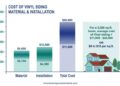
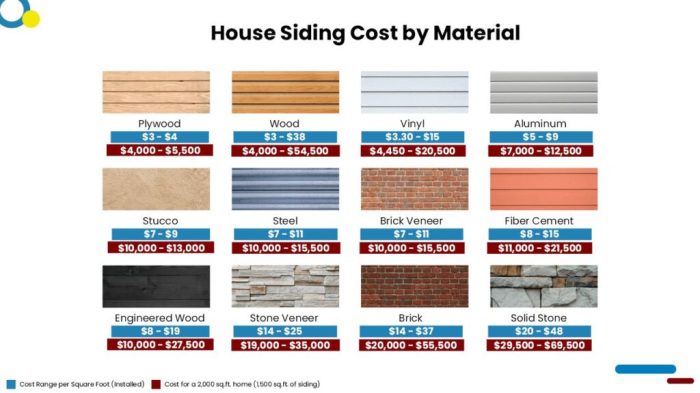
The type of material used for exterior siding is one of the most significant factors affecting cost. Different materials, such as vinyl, wood, fiber cement, or metal, come with varying price points. For example, vinyl siding tends to be more affordable compared to wood or fiber cement options.
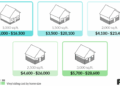
Additionally, the quality of the material can influence the cost, with premium-grade materials often commanding a higher price. The quantity of siding needed for the project also plays a crucial role in determining the overall cost. The more square footage that needs to be covered, the higher the cost will be.
Installation Complexity
The complexity of the installation process can also impact the cost of exterior siding. Factors such as the shape of the building, the presence of architectural details, the need for additional insulation, or the requirement for special tools or equipment can all contribute to increased installation costs.
Projects that require more labor-intensive techniques or customization will generally be more expensive than straightforward installations.
Types of Exterior Siding Materials
When it comes to choosing the right exterior siding for your home, there are several different materials to consider. Each type of siding material has its own characteristics, durability, and cost range. Below is a breakdown of some popular exterior siding materials along with examples of well-known brands associated with each type.
Vinyl Siding
Vinyl siding is a popular choice due to its affordability and low maintenance requirements. It is available in a wide range of colors and styles, making it easy to find a look that complements your home. Vinyl siding is durable and resistant to rotting, fading, and insect damage.
The cost of vinyl siding typically ranges from $3 to $7 per square foot. Examples of popular vinyl siding brands include CertainTeed, Mastic, and Alside.
Wood Siding
Wood siding offers a natural and timeless look that can add warmth and character to a home. While wood siding requires more maintenance than other materials, it can be refinished and painted to prolong its lifespan. Wood siding is also environmentally friendly and biodegradable.
The cost of wood siding varies depending on the type of wood used, with prices typically ranging from $5 to $10 per square foot. Popular brands of wood siding include Cedar Valley, Maibec, and Cape Cod.
Fiber Cement Siding
Fiber cement siding is a durable and low-maintenance option that can mimic the look of wood or stucco siding. It is resistant to fire, rot, and termites, making it a long-lasting choice for homeowners. Fiber cement siding typically costs between $5 to $12 per square foot.
Popular brands of fiber cement siding include James Hardie, Allura, and Nichiha.
Brick Siding
Brick siding offers a classic and timeless look that is both durable and low maintenance. Brick siding is resistant to fire, rot, and insect damage, making it a long-lasting investment for homeowners. While brick siding is more expensive than other materials, with prices ranging from $10 to $15 per square foot, its durability and aesthetic appeal make it a popular choice.
Examples of well-known brick siding brands include Glen-Gery, Boral, and General Shale.
Cost Comparison Between Different Siding Materials
When considering exterior siding options, it's essential to compare the costs of different materials to determine the most cost-effective choice for your home.
Vinyl Siding
On average, vinyl siding costs between $2 to $7 per square foot. While it may have a lower upfront cost compared to other materials, it is essential to consider the long-term cost-effectiveness
Fiber Cement Siding
Fiber cement siding typically costs between $5 to $12 per square foot. Although it has a higher initial cost compared to vinyl, it is known for its durability and resistance to rot, pests, and fire. The maintenance costs are also relatively low, with occasional painting needed every 5-10 years.
Wood Siding
Wood siding can range from $6 to $15 per square foot, depending on the type of wood chosen. While wood siding can provide a beautiful and natural look to your home, it requires more maintenance than other materials. Regular staining or painting is necessary to protect the wood from moisture and pests, increasing long-term maintenance costs.
Brick Siding
Brick siding is one of the most expensive options, with costs ranging from $8 to $15 per square foot. However, brick is extremely durable and requires minimal maintenance over the years. While the upfront cost may be higher, the long-term cost-effectiveness of brick siding can make it a worthwhile investment.
Additional Costs to Consider
When budgeting for exterior siding, it's crucial to account for more than just the material and installation costs. Additional expenses such as painting, sealing, or potential repairs can significantly impact the overall cost of your siding project. Factors like location, climate, and environmental conditions can also influence the total expenses involved.
To ensure an accurate estimation, obtaining quotes from multiple contractors is essential.
Impact of Location, Climate, and Environmental Factors
Location plays a key role in determining the additional costs associated with exterior siding. Areas prone to extreme weather conditions may require more frequent maintenance and repairs, leading to higher expenses over time. Climate factors such as humidity levels, temperature fluctuations, and exposure to harsh elements can accelerate wear and tear on siding materials, necessitating more frequent painting or sealing.
Environmental factors like proximity to saltwater or industrial pollutants can also impact the longevity of siding materials, potentially requiring specialized treatments or protective coatings to maintain their appearance and structural integrity. These factors can contribute to higher maintenance costs and the need for more frequent replacements, ultimately affecting the overall cost of your siding project.
Importance of Obtaining Multiple Quotes
When planning for exterior siding installation or repairs, it's essential to gather quotes from multiple contractors to ensure an accurate cost estimation. Different contractors may offer varying prices based on their experience, expertise, and the specific services included in their estimates.
By comparing multiple quotes, you can evaluate the overall cost of the project and choose the option that best fits your budget and requirements.
Final Thoughts
In conclusion, the journey through exterior siding cost has unveiled a tapestry of considerations and choices. Armed with this knowledge, you can now approach siding projects with confidence and informed decision-making.
Essential FAQs
What factors can affect exterior siding cost?
The key factors include material type, quality, quantity, and installation complexity.
How do different siding materials compare in cost per square foot?
Each material varies in cost, with vinyl usually being more affordable than wood or fiber cement.
Are there additional costs to consider besides material and installation?
Yes, factors like painting, sealing, repairs, and environmental considerations can impact overall costs.