
Embarking on the journey of vinyl siding for your house involves a myriad of considerations, from understanding the influencing factors to calculating the total cost, weighing the pros and cons, and exploring tips to reduce expenses. Let's delve into this comprehensive guide to help you make informed decisions about siding your house with vinyl.
Factors influencing the cost of siding a house with vinyl
When considering the cost of siding a house with vinyl, several factors come into play that can impact the overall expenses. Let's explore how different elements can influence the pricing.
Size of the house
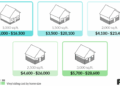
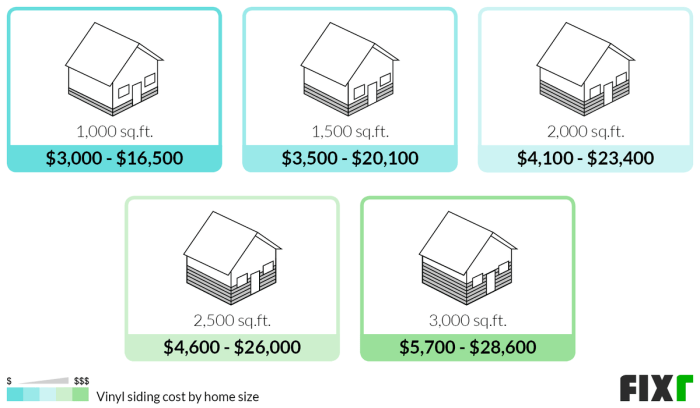
The size of the house is a significant factor that affects the total cost of siding with vinyl. Larger homes require more materials to cover the surface area, resulting in higher expenses. Conversely, smaller homes will have lower material costs due to less vinyl needed for installation.
Quality of vinyl siding
The quality of the vinyl siding chosen can also impact the pricing. Higher-quality materials are typically more durable, aesthetically pleasing, and have better insulation properties, but they come at a higher cost. Lower-quality vinyl may be more affordable initially but could lead to higher maintenance and replacement costs in the long run.
Complexity of the house structure
The complexity of the house structure, including the number of corners, angles, and levels, can influence the overall cost of siding. More intricate designs require additional time and expertise to install the vinyl siding properly, leading to higher labor costs.
Simple, straightforward structures are generally more cost-effective to side.
Location and labor costs
The location of the house can also impact the expenses involved in siding with vinyl. Areas with higher labor costs or where materials need to be transported over long distances may result in increased overall costs. Additionally, the availability of skilled labor in the region can affect the pricing, as more experienced contractors may charge higher fees for their services.
Calculating the total cost of siding with vinyl
When it comes to calculating the total cost of siding a house with vinyl, there are several factors to consider. From materials and labor to permits and additional expenses, each component plays a crucial role in determining the overall cost.To start with, let's break down the materials needed for vinyl siding installation.
These typically include vinyl siding panels, trim pieces, J-channels, nails, and insulation materials. It's essential to accurately measure the square footage of your house to determine the quantity of materials required.
Average cost per square foot for vinyl siding
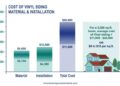
The average cost per square foot for vinyl siding can vary depending on the quality of the materials and the complexity of the installation. On average, you can expect to pay anywhere from $2 to $7 per square foot for vinyl siding.
Higher-end materials and intricate designs may push the cost closer to the higher end of the spectrum.
Estimating additional expenses
When estimating additional expenses for siding a house with vinyl, it's crucial to consider labor costs and tools required for the installation. Labor costs can vary based on the region and the experience of the contractors. Additionally, tools such as a saw, hammer, level, and chalk line are necessary for a successful installation.
It's recommended to get quotes from multiple contractors to compare labor costs and ensure a competitive price for the installation.
Importance of factoring in permits and inspection costs
Don't forget to factor in any permits or inspection costs that may be required for the vinyl siding installation. Depending on your location, you may need to obtain permits before starting the project. Inspection costs may also apply to ensure that the installation meets building codes and regulations.By considering all these factors and calculating the total cost of siding with vinyl accurately, you can budget effectively and plan for a successful siding project.
Pros and cons of using vinyl siding for house exteriors
Vinyl siding is a popular choice for homeowners due to its affordability, versatility, and low maintenance requirements. However, there are also some drawbacks to consider when deciding whether to use vinyl siding for your house.
Environmental benefits of vinyl siding
- Vinyl siding is a sustainable option as it can be recycled at the end of its lifespan, reducing waste in landfills.
- It requires less energy to produce compared to other materials like aluminum or wood, making it a more eco-friendly choice.
Durability and maintenance requirements of vinyl siding
- Vinyl siding is known for its durability and ability to withstand harsh weather conditions without rotting or warping.
- It is relatively low maintenance, requiring only occasional cleaning with soap and water to keep it looking new.
Cost-effectiveness of vinyl siding compared to other materials
- Vinyl siding is one of the most cost-effective options for house exteriors, offering a good balance between price and quality.
- It is cheaper to install and maintain than materials like wood or brick, making it a budget-friendly choice for homeowners.
Potential drawbacks or limitations of choosing vinyl siding
- Vinyl siding can crack or fade over time, requiring replacement of individual panels to maintain the appearance of the house.
- It may not be as visually appealing or offer the same level of insulation as other materials like wood or fiber cement siding.
Tips for reducing the cost of vinyl siding installation
When looking to reduce the cost of vinyl siding installation, there are several strategies you can consider. From negotiating with contractors to exploring DIY options, timing the installation for cost efficiency, and choosing affordable yet quality vinyl siding products, there are various ways to save money while still achieving a beautiful exterior for your home.
Negotiating with Contractors for Better Pricing
- Get multiple quotes from different contractors to compare prices and services offered.
- Ask if the contractor offers any discounts for off-peak seasons or bundling services.
- Consider negotiating the cost of labor or materials to find a price that fits your budget.
Exploring DIY Options and Potential Cost Savings
- If you have experience with home improvement projects, consider installing the vinyl siding yourself to save on labor costs.
- Research tutorials and guides to ensure you understand the installation process and have the necessary tools and equipment.
- Be prepared to invest time and effort into the project to ensure a successful outcome.
Timing the Installation for Cost Efficiency
- Consider scheduling the installation during the off-peak season when contractors may offer lower prices due to lower demand.
- Plan ahead and book the installation in advance to secure a spot during a time when prices are typically lower.
- Be flexible with the timing to take advantage of any promotions or discounts offered by contractors.
Choosing Affordable Yet Quality Vinyl Siding Products
- Research different brands and types of vinyl siding to find a product that offers a balance between affordability and quality.
- Look for sales or promotions at local home improvement stores to save on the cost of materials.
- Avoid sacrificing quality for a lower price, as investing in durable vinyl siding can save you money in the long run by reducing maintenance and replacement costs.
End of Discussion
In conclusion, siding your house with vinyl offers a range of benefits and considerations to ponder. From cost factors to material choices, maintenance requirements to environmental impacts, this guide equips you with valuable insights to navigate the world of vinyl siding efficiently.
Make informed choices and transform the exterior of your home with confidence.
FAQ Explained
Can the size of the house affect the total cost of siding with vinyl?
Yes, larger houses generally require more materials and labor, leading to higher overall expenses.
What are the environmental benefits of using vinyl siding?
Vinyl siding is recyclable, energy-efficient, and reduces the need for frequent painting, contributing to sustainability.
Are there DIY options available to reduce the cost of vinyl siding installation?
Yes, DIY projects can help save on labor costs, but it's essential to have the necessary skills and tools for a successful installation.