
Step into the world of modern minimalist interior design, where simplicity meets sophistication. This design style focuses on clean lines, uncluttered spaces, and a harmonious blend of form and function. Get ready to explore the key elements and principles that define this contemporary aesthetic.
For a deeper dive, the following paragraphs will delve into the nuances of furniture selection, materials, textures, and space planning in modern minimalist interiors.
Definition of Modern Minimalist Interior Design
Modern minimalist interior design is a style that focuses on simplicity, clean lines, and a clutter-free environment. It is characterized by a sense of openness and a minimalistic approach to decorating. The key elements of modern minimalist interior design include:
Key Characteristics
- Simple and clean lines: Furniture and architectural details are often sleek and uncomplicated, without ornate decorations.
- Open spaces: Rooms are spacious and uncluttered, with a focus on creating a sense of airiness and flow.
- Neutral color palette: Colors are typically neutral such as white, beige, gray, or black, with occasional pops of bold color for contrast.
- Functional furniture: Pieces are chosen for their practicality and functionality, with an emphasis on quality over quantity.
- Minimal accessories: Decor items are kept to a minimum, with a focus on quality over quantity to avoid visual clutter.
Color Schemes
In modern minimalist interior design, color schemes are typically neutral and understated to create a sense of calm and serenity. White is a common choice for walls and furniture, while accents of black, gray, or earth tones can be used to add depth and contrast.
Bold colors may be sparingly used as accent pieces to create visual interest.
Importance of Clean Lines and Simple Forms
Clean lines and simple forms are essential in modern minimalist interior design as they create a sense of harmony and balance in a space. By eliminating unnecessary details and decorations, the focus is on the beauty of simplicity. The use of clean lines helps to create a sense of order and organization, while simple forms allow for a clutter-free and visually soothing environment.
Furniture and Decor in Modern Minimalist Interior Design
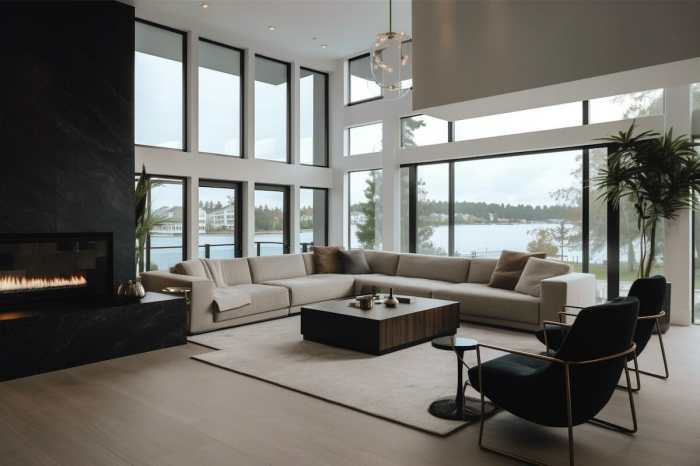
When it comes to modern minimalist interior design, furniture and decor play a crucial role in achieving a clean, sleek, and clutter-free look. By carefully selecting furniture pieces and incorporating decor elements mindfully, you can create a space that is both functional and visually appealing.
Common Furniture Pieces
In modern minimalist interiors, you will often find furniture pieces that are simple, sleek, and functional. Some common examples include:
- Low-profile sofas or sectionals with clean lines
- Simple coffee tables with geometric shapes
- Minimalist dining tables and chairs
- Storage solutions like floating shelves or built-in cabinets
- Bed frames with a minimalist design
Selecting Furniture for Minimalist Aesthetic
When choosing furniture for a modern minimalist interior, opt for pieces that are essential and have a clean design. Consider the following tips:
- Focus on quality over quantity - invest in well-made furniture that will last
- Avoid ornate or overly decorative pieces
- Choose furniture with straight lines and simple silhouettes
- Opt for furniture in neutral colors like white, black, gray, or natural wood tones
Incorporating Decor Elements
While minimalism emphasizes simplicity, you can still add decor elements to enhance the space without cluttering it. Here are some tips:
- Use a few carefully selected decor pieces like a statement artwork or a sculptural vase
- Focus on quality over quantity when choosing decor items
- Stick to a cohesive color palette to maintain a harmonious look
- Avoid overcrowding shelves and surfaces with too many knick-knacks
Role of Lighting
Lighting is an essential element in modern minimalist interior design as it can enhance the overall ambiance of the space. Consider the following:
- Opt for recessed lighting or track lighting to keep the ceiling clean and uncluttered
- Use floor lamps or table lamps with sleek designs to provide task lighting
- Maximize natural light by keeping window treatments simple and minimal
- Consider the use of pendant lights or wall sconces to add visual interest without overwhelming the space
Materials and Textures in Modern Minimalist Interior Design
In modern minimalist interior design, the choice of materials and textures plays a crucial role in creating a sleek and sophisticated look. By carefully selecting materials and textures, you can achieve a minimalist design that exudes elegance and simplicity.
Types of Materials in Modern Minimalist Interiors
- Wood: Wood is a popular choice for modern minimalist interiors due to its natural warmth and timeless appeal. Opt for light-colored woods like oak or ash for a clean and airy feel.
- Metal: Metal accents, such as stainless steel or brushed aluminum, are often used to add a touch of modernity to minimalist spaces.
- Glass: Glass is another staple material in modern minimalist design, offering transparency and lightness to the space.
- Concrete: Concrete is a versatile material that can be used for flooring, walls, or countertops in minimalist interiors, adding an industrial edge.
Textures for a Minimalist Look
- Smooth: Smooth textures like polished wood or glass contribute to the sleek and streamlined aesthetic of modern minimalist interiors.
- Matte: Matte finishes on surfaces create a soft and understated look, perfect for achieving a minimalist vibe.
- Textured: Adding a touch of texture through materials like natural stone or woven fabrics can bring depth and visual interest to a minimalist space.
Importance of Quality Materials
Using high-quality materials is essential in achieving a modern minimalist design. Quality materials not only enhance the overall look and feel of the space but also ensure durability and longevity, making them a worthwhile investment.
Mixing Materials and Textures
- Contrast: Mix materials with contrasting textures to create visual interest in a minimalist space. For example, pair smooth surfaces with rough textures for a dynamic look.
- Balance: Maintain a balance between different materials and textures to prevent the space from feeling overwhelming. Choose a dominant material and complement it with subtle textures for a harmonious design.
- Layering: Layering different materials and textures can add depth and dimension to a minimalist interior. Experiment with layering rugs, cushions, and throws to create a cozy yet minimalist ambiance.
Space Planning and Layout in Modern Minimalist Interior Design
In modern minimalist interior design, space planning plays a crucial role in creating a clean, uncluttered, and functional living environment. By carefully considering the layout of furniture and decor, as well as the use of negative space, designers can achieve a sense of simplicity and sophistication in a minimalist home.
Principles of Space Planning in Modern Minimalist Interiors
- Focus on functionality: Every piece of furniture or decor should serve a purpose and contribute to the overall design.
- Consider traffic flow: Arrange furniture in a way that allows for easy movement throughout the space.
- Optimize natural light: Position furniture to maximize natural light and create a bright, airy atmosphere.
- Embrace simplicity: Keep the layout clean and minimal, avoiding clutter and unnecessary objects.
Ideas for Optimizing Space in a Minimalist Design
- Use multi-functional furniture: Opt for pieces that serve more than one purpose, such as a storage ottoman or a sleeper sofa.
- Utilize vertical space: Install shelves or wall-mounted storage to free up floor space and create a sense of openness.
- Keep it open: Avoid blocking sightlines with large furniture pieces and opt for open shelving or furniture with legs to create a more spacious feel.
Importance of Negative Space in Modern Minimalist Interior Design
Negative space, also known as white space, is the empty space around objects in a room. In minimalist design, negative space plays a crucial role in creating a sense of calm and balance. By allowing for breathing room between objects, negative space helps to highlight the essential elements of the design and contributes to the overall aesthetic of the space.
Examples of Effective Layouts for Different Rooms
- Living Room: Arrange furniture in a way that encourages conversation and social interaction, with a focus on comfort and simplicity.
- Bedroom: Keep the bedroom layout simple and uncluttered, with a focus on creating a peaceful and relaxing environment for rest.
- Kitchen: Opt for a streamlined layout with ample storage to keep countertops clear and create a functional cooking space.
Last Recap
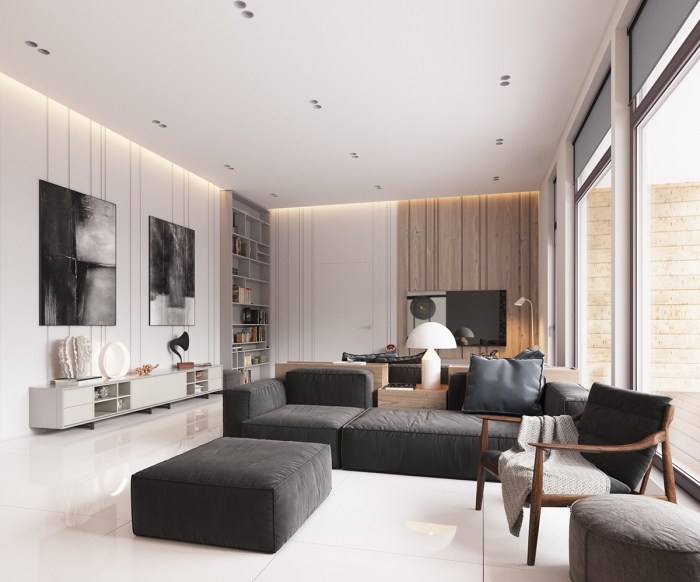
In conclusion, modern minimalist interior design offers a refreshing approach to creating serene living spaces. By embracing simplicity and elegance, this design style elevates any home into a haven of tranquility and modernity. Dive into the world of modern minimalism and transform your living space today.
Question Bank
What are the key characteristics of modern minimalist interior design?
Modern minimalist interior design focuses on clean lines, uncluttered spaces, neutral color palettes, and a harmonious balance of form and function. It emphasizes simplicity and functionality in every aspect of the design.
How can I incorporate decor elements in a minimalist space without cluttering it?
To avoid clutter in a minimalist space, opt for a few carefully curated decor pieces that complement the overall design. Choose items with simple shapes, neutral colors, and functional purposes to maintain the minimalist aesthetic.
Why is negative space important in modern minimalist interior design?
Negative space, or empty space, plays a crucial role in modern minimalist design by creating visual breathing room and enhancing the impact of key design elements. It helps maintain a sense of balance and tranquility in the space.