
Embark on a journey through the world of masterclass interior design, where creativity meets skill in crafting spaces that inspire and delight. From fundamental principles to advanced techniques, this exploration promises to unveil the secrets behind creating truly exceptional interiors.
Delve deeper into the realm of interior design as we uncover the intricacies of blending styles, mastering different design concepts, and effectively communicating ideas to clients.
Overview of Masterclass Interior Design
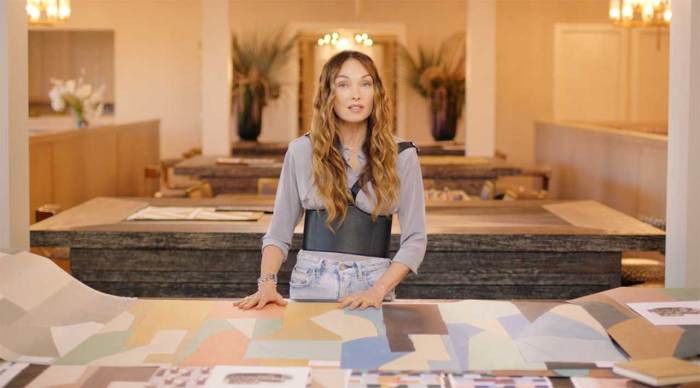
Masterclass in interior design involves advanced training and expertise in the field, aimed at developing a deep understanding of design principles, techniques, and trends.
Mastering interior design skills is crucial for professionals to create innovative and functional spaces that meet the needs and preferences of clients effectively.
Key Elements of a Masterclass in Interior Design
- Advanced Design Principles: Mastering the fundamental principles of design, such as balance, proportion, and harmony, is essential for creating aesthetically pleasing spaces.
- Technical Proficiency: A masterclass in interior design requires proficiency in using design software, understanding building codes, and implementing sustainable design practices.
- Creative Innovation: Professionals in a masterclass interior design program are encouraged to think outside the box, experiment with new materials, and push the boundaries of traditional design concepts.
- Client Collaboration: Effective communication and collaboration with clients to understand their needs, preferences, and budget constraints are key elements of a masterclass in interior design.
- Trend Forecasting: Keeping abreast of the latest design trends, materials, and technologies is crucial for professionals in a masterclass interior design program to stay competitive in the industry.
Fundamentals of Interior Design
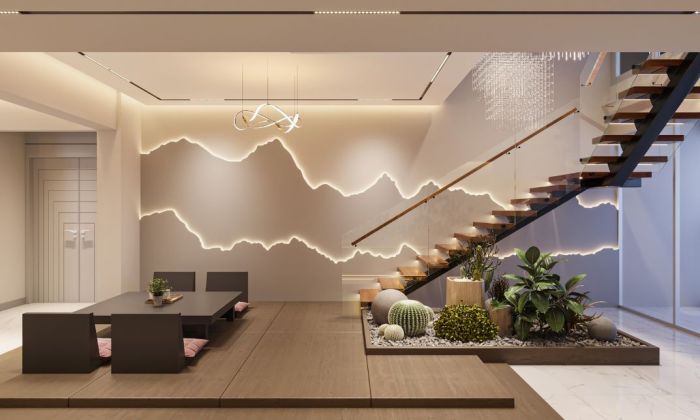
Interior design is a multifaceted discipline that involves the art and science of enhancing the interior of a space to achieve a healthier and more aesthetically pleasing environment. It encompasses a variety of elements, including color, lighting, space planning, textures, patterns, and furniture.
Understanding the basic principles of interior design is essential for creating spaces that are functional, visually appealing, and harmonious.
Color in Interior Design
Color plays a crucial role in interior design, as it can significantly impact the mood and atmosphere of a space. For example, warm colors like red, orange, and yellow can create a cozy and inviting feel, while cool colors like blue and green evoke a sense of calm and tranquility.
It is important to consider the psychological effects of different colors when choosing a color scheme for a room.
Lighting in Interior Design
Lighting is another key element in interior design that can enhance the overall look and feel of a space. Proper lighting can highlight architectural features, create ambiance, and improve functionality. Natural light is ideal for providing a sense of openness and connection to the outdoors, while artificial lighting can be used to complement natural light and create specific moods.
Space Planning in Interior Design
Space planning involves arranging furniture and decor in a way that maximizes functionality and flow within a space. It is essential to consider the scale and proportion of furniture pieces, as well as the circulation paths and focal points in a room.
Effective space planning can make a room feel more spacious and organized.
Textures, Patterns, and Furniture in Interior Design
Textures and patterns add depth and visual interest to a space, creating a sense of tactile and visual richness. Mixing different textures and patterns can add contrast and dimension to a room, making it more dynamic and engaging. Furniture selection is also crucial in interior design, as it not only serves a functional purpose but also contributes to the overall style and aesthetic of a space.
Advanced Techniques in Interior Design
When it comes to taking your interior design skills to the next level, mastering advanced techniques is crucial. This involves creating focal points, establishing visual flow, selecting the right artwork, and integrating technology seamlessly into your designs.
Creating Focal Points and Visual Flow
One key advanced technique in interior design is the art of creating focal points. These are areas within a space that immediately draw the eye and create a sense of balance and harmony. To achieve this, consider using bold colors, statement furniture pieces, or unique architectural elements.
Additionally, establishing visual flow is essential for guiding the eye through a space smoothly. This can be done through thoughtful placement of furniture, strategic lighting, and clever use of patterns and textures.
Selecting and Incorporating Artwork
Artwork plays a significant role in adding personality and character to a space. When selecting artwork for your design, consider the style, color scheme, and overall theme of the room. Art pieces can serve as focal points or complement other design elements.
To incorporate artwork effectively, pay attention to scale, placement, and lighting to ensure they enhance the overall aesthetic of the space.
Using Technology and Smart Solutions
In modern interior design, technology can be a game-changer. From smart home devices to innovative lighting solutions, integrating technology into your designs can elevate the functionality and aesthetics of a space. Consider incorporating smart thermostats, automated lighting systems, or even interactive art installations to create a truly unique and modern interior design experience.
Mastering Different Interior Design Styles
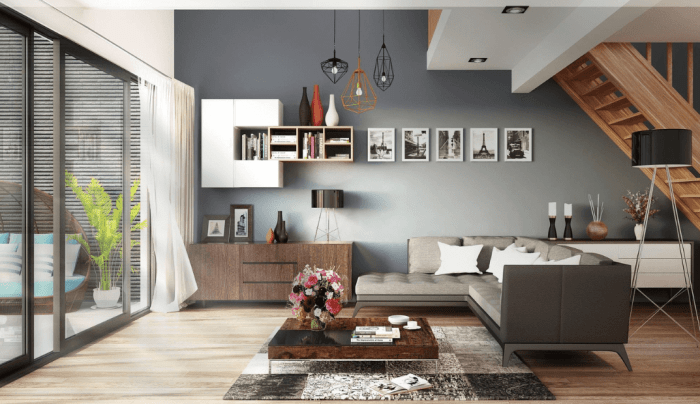
When it comes to mastering different interior design styles, it is essential to understand the characteristics of each style and how they can be effectively combined to create a cohesive and visually appealing space.
Comparing and Contrasting Popular Interior Design Styles
There are several popular interior design styles, each with its unique features and aesthetics
- Modern:Characterized by clean lines, minimalism, and a focus on functionality. Neutral colors and sleek surfaces are often used in modern design.
- Traditional:This style is known for its classic and timeless appeal, with ornate details, rich colors, and elegant furnishings creating a sense of warmth and sophistication.
- Minimalist:Minimalist design focuses on simplicity, with an emphasis on creating a clutter-free and calming environment. Neutral colors, simple furniture, and open spaces are key elements of this style.
Tips for Blending Different Styles Cohesively
Blending different interior design styles can be a challenging task, but with the right approach, it can result in a harmonious and visually interesting space. Here are some tips to help you blend different styles cohesively:
- Identify a common element or theme that can tie the different styles together, such as a color palette, texture, or pattern.
- Gradually introduce elements from each style, starting with larger pieces of furniture or key design elements before adding smaller decorative items.
- Pay attention to scale and proportion to ensure that the different styles complement each other and create a balanced look.
- Don't be afraid to mix and match styles, as contrast can often create visual interest and personality in a space.
Understanding Client Preferences in Mastering Various Design Styles
Client preferences play a crucial role in mastering various design styles, as ultimately, the space should reflect their personality, tastes, and lifestyle. It is important to communicate effectively with clients to understand their preferences, likes, and dislikes, and incorporate them into the design process.
By tailoring the design to meet the client's needs and desires, you can create a space that not only showcases different styles but also resonates with the client on a personal level.
Creating Mood Boards and Design Concepts
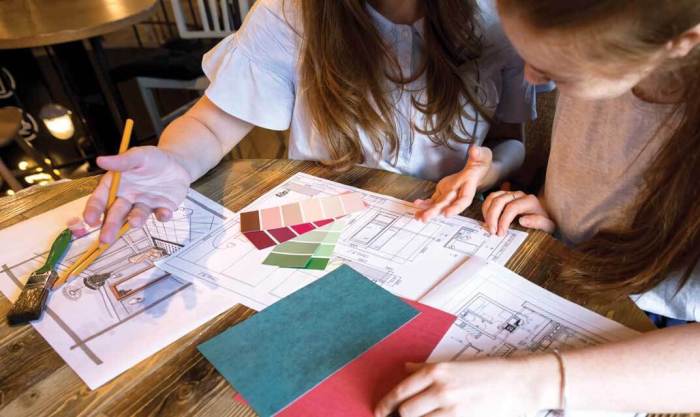
Creating mood boards and design concepts are essential steps in the interior design process, allowing designers to visually communicate their ideas and concepts to clients. By combining different elements such as color schemes, textures, furniture pieces, and accessories, designers can create a cohesive vision for the space they are designing.
Creating Mood Boards
Mood boards are collages of images, materials, and textures that inspire the overall look and feel of a design project. Designers gather images from magazines, online sources, and samples of materials to create a visual representation of their ideas. Mood boards help clients understand the designer's vision and ensure everyone is on the same page before moving forward with the project.
- Collect inspiration: Start by gathering images, fabric swatches, paint samples, and other materials that inspire your design concept.
- Arrange and edit: Organize the collected items on a board or digitally to create a cohesive look that represents your vision for the space.
- Refine and finalize: Edit the mood board as needed to ensure it accurately reflects the design concept and communicates the desired mood and style.
Developing Design Concepts
Design concepts are the foundation of any interior design project, outlining the overall vision and direction for the space. In a masterclass setting, design concepts are developed through research, client collaboration, and creative exploration. Designers refine their concepts by considering the functionality, aesthetics, and budget constraints of the project.
- Research and inspiration: Conduct research on design trends, historical references, and client preferences to develop a unique and innovative design concept.
- Client collaboration: Work closely with clients to understand their needs, preferences, and vision for the space, incorporating their feedback into the design concept.
- Creative exploration: Experiment with different layouts, color schemes, and furniture arrangements to develop a design concept that is both functional and aesthetically pleasing.
Presenting and Communicating Design Ideas
Effectively presenting and communicating design ideas is crucial for gaining client approval and moving the project forward. Designers should use visual aids, such as mood boards, sketches, and 3D renderings, to help clients visualize the final outcome of the design concept.
Clear communication and active listening also play a key role in ensuring that clients understand and appreciate the proposed design ideas.
- Visual aids: Use mood boards, sketches, and 3D renderings to present design ideas in a visually appealing and easy-to-understand manner.
- Clear communication: Clearly articulate the design concept, explaining the rationale behind design decisions and addressing any client concerns or questions.
- Active listening: Listen to client feedback and incorporate their input into the design process, ensuring that the final design meets their expectations and requirements.
Closure
As we conclude our discussion on masterclass interior design, remember that the key to success lies in the mastery of both creativity and technique. By understanding the nuances of design styles, creating compelling mood boards, and refining design concepts, you too can elevate your interior design game to a whole new level.
Questions and Answers
How can I create a cohesive blend of different interior design styles?
To blend styles effectively, focus on common elements such as color schemes or textures, and gradually introduce elements from each style to create a harmonious mix.
What are the key elements to consider when creating a mood board for an interior design project?
When creating a mood board, focus on elements like color palettes, textures, furniture pieces, and inspirational images that capture the essence of the design concept.
Why is it important to understand client preferences in mastering various design styles?
Client preferences play a crucial role in creating personalized and tailored designs that resonate with the individuals who will inhabit the space. Understanding their tastes ensures a design that reflects their unique personality and lifestyle.