

Delving into the world of stucco over siding, this introduction sets the stage for a comprehensive exploration of this innovative technique. Offering a blend of expertise and originality, readers are invited to discover the intricacies of enhancing siding with stucco seamlessly.
Exploring the various types of siding materials suitable for stucco application and the benefits that come with this transformative process.
Overview of Stucco Over Siding
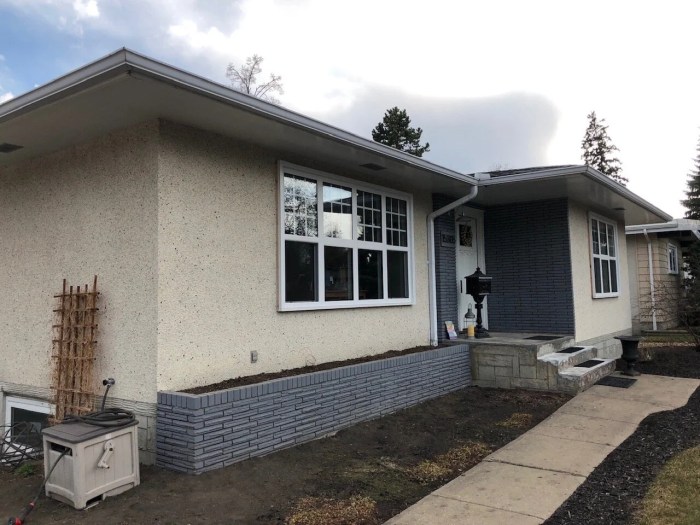
Stucco over siding is a technique where stucco, a mixture of cement, sand, and water, is applied over existing siding materials to enhance the appearance and durability of a building's exterior.
Types of Siding Materials Suitable for Stucco Application
- Vinyl siding
- Fiber cement siding
- Wood siding
- Brick veneer
Benefits of Applying Stucco Over Siding
- Enhanced durability: Stucco provides a protective layer that can increase the lifespan of the siding material.
- Improved aesthetics: Stucco can give a fresh and modern look to the exterior of a building, enhancing its curb appeal.
- Increased energy efficiency: Stucco can help improve insulation, leading to potential energy savings.
- Low maintenance: Stucco is relatively easy to clean and maintain, reducing the need for frequent repairs.
Preparation for Stucco Over Siding
Before applying stucco over siding, it is crucial to properly prepare the existing surface to ensure a smooth and long-lasting finish. This process involves cleaning, repairing, and priming the siding to create a suitable base for the stucco application.
Cleaning the Siding
- Start by cleaning the siding thoroughly to remove any dirt, dust, or debris that could affect the adhesion of the stucco.
- Use a pressure washer or a scrub brush with a mixture of water and mild detergent to clean the surface effectively.
- Rinse the siding well and allow it to dry completely before proceeding to the next steps.
Repairing and Patching
- Inspect the siding for any cracks, holes, or damage that need to be repaired before applying stucco.
- Fill in any holes or cracks with a suitable patching compound, following the manufacturer's instructions.
- Smooth out the patched areas and allow them to dry completely before moving on to the next stage.
Priming the Surface
- Apply a bonding agent or primer to the clean and repaired siding to enhance the adhesion of the stucco.
- Follow the manufacturer's recommendations for the specific primer to use and the application process.
- Allow the primer to dry completely before proceeding with the stucco application.
Application Process
When applying stucco over siding, it is essential to follow a precise process to ensure a smooth and durable finish. This involves proper mixing ratios, application techniques, and ensuring proper adhesion of the stucco layer.
Mixing Ratios and Application Techniques
To achieve the ideal stucco consistency, the mixing ratio typically involves combining one part Portland cement, one part hydrated lime, and three to five parts sand. Water is then added gradually until the desired consistency is reached
It is crucial to work in small sections to ensure even coverage and avoid drying out before finishing.
Achieving a Smooth Finish
To achieve a smooth and even stucco finish, it is important to apply the stucco in thin, even coats. After each layer has been applied, it should be troweled or floated to remove any imperfections and create a uniform surface.
By working methodically and taking the time to finesse each layer, a smooth finish can be achieved.
Ensuring Proper Adhesion and Durability
Proper adhesion of the stucco layer to the siding is crucial for long-lasting durability. Before applying the stucco, the siding should be cleaned thoroughly and any loose or damaged areas should be repaired. A bonding agent may be applied to promote adhesion between the stucco and the siding.
Additionally, proper curing time should be allowed to ensure the stucco fully hardens and sets, providing a durable finish that can withstand the elements.
Maintenance and Care
Stucco over siding can be a durable and attractive option for your home, but proper maintenance is crucial to ensure its longevity and appearance. By following some simple care tips and addressing any issues promptly, you can keep your stucco siding in top condition for years to come.
Common Issues and Solutions
- Cracks: Over time, stucco may develop hairline cracks due to settling or temperature changes. These cracks should be repaired promptly to prevent water infiltration, which can cause further damage. Use a high-quality stucco patching compound to fill in the cracks and smooth them out.
- Mold and Mildew: Stucco is prone to mold and mildew growth, especially in damp or shaded areas. To prevent this, regularly clean your stucco siding with a mixture of mild detergent and water. For stubborn mold, use a solution of bleach and water, but be sure to rinse thoroughly afterwards.
- Staining: Stucco can become stained over time from dirt, pollution, or plant debris. To remove stains, gently scrub the affected area with a soft brush and a mild cleaning solution. Avoid harsh chemicals or abrasive scrubbers, as they can damage the stucco finish.
Cleaning and Protection Tips
- Regular Cleaning: To keep your stucco siding looking its best, wash it at least once a year with a garden hose or pressure washer. Avoid using high pressure, as it can damage the stucco surface. For stubborn dirt or stains, use a soft brush and mild detergent.
- Sealing: Consider applying a clear sealant or protective coating to your stucco siding every few years to enhance its water resistance and durability. This can help prevent moisture infiltration and prolong the life of your stucco finish.
- Landscape Maintenance: Trim back any foliage or plants that come into contact with your stucco siding, as they can trap moisture and promote mold growth. Keep a clear space between the vegetation and your stucco to allow for proper airflow and drying.
Conclusion
Concluding our discussion on stucco over siding, this summary encapsulates the key points discussed, leaving readers with a deeper understanding of the maintenance and application of this distinctive exterior finish.
User Queries
What are some common issues that may arise with stucco over siding?
Common issues include cracking, moisture retention, and color fading, which can be addressed through proper maintenance and timely repairs.
Do I need to make any repairs or modifications to my existing siding before applying stucco?
Yes, it is important to address any damages or structural issues in the existing siding before applying stucco to ensure a smooth and durable finish.
How can I maintain stucco over siding to prolong its lifespan?
Maintaining stucco siding involves regular cleaning, addressing any minor damages promptly, and applying protective coatings to enhance its longevity.